Decoding Your Skin: A Guide to Skin Types
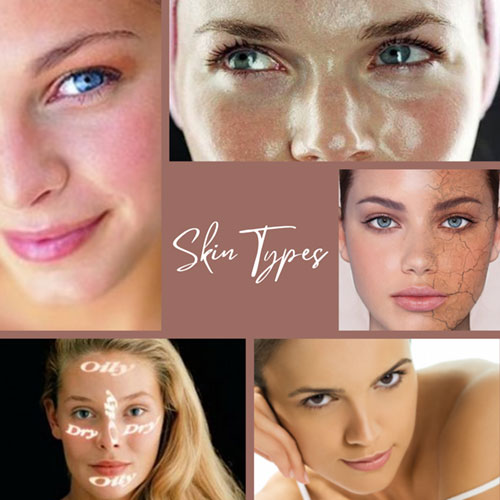
Embarking into a skincare journey can feel daunting, especially when you're strive to find the right products for your unique skin. The key to a successful skincare regimen is identifying your skin type. Each skin type has unique characteristics, and knowing yours can substantially optimize your skincare results.
- Allow us delve into the diverse skin types and:
- Even Skin: This category is often considered the perfect. It's well-balanced with scarce imperfections.
- Greasy Skin: Characterized by excess of sebum, this skin type can appear shiny. It's also prone to pimples.
- Dehydrated Skin: This skin type lacks hydration, resulting in a flaky texture. It can also appear lackluster
- Uneven Skin: A blend of different skin types, often with slick areas in the T-zone and dehydrated cheeks.
- Prone Skin: This skin type responds easily to products, often with irritation.
Our Skin Type Face: The Ultimate Breakdown
Have we ever found frustrated about what kind of skin you've got? Well, say, you're definitely not alone! Determining their skin type is the primary step to creating a skincare routine that genuinely works for you.
There are four primary skin types: normal, oily, dry, combination, and sensitive. Allow us break all of them down so your can determine which best describes our own.
- Even skin is generally well-balanced with little to almost no visible blemishes or issues.
- Slick skin tends to make a lot of oil, which can cause bright skin and acne.
- Rough skin lacks moisture, which can appear rough.
- Dual skin has a mix of unique characteristics. It may be oily in some areas and rough in others.
- Reactive skin is easily bothered by products or environmental factors.
Understanding Skin Types: Names & Characteristics recognizing
Your skin is your largest organ and plays a vital role in protecting you from the elements. But did you know there are different types of skin? Understanding your particular skin type can help you choose the right skincare products to keep it healthy and glowing. The most common skin types are: normal, oily, dry, combination, and sensitive.
- Normal complexion: This category of skin is balanced with minimal problems. It's neither too greasy nor too flaky.
- Oily skin: characterized by abundance of oil, oily skin can be reflective. It's prone to zits.
- Dry tone: This classification of skin lacks moisture and feels rough. It can be likely to flaking.
- Combination tone: This type has a mix of oily areas. The T-zone (forehead, nose, and chin) is often sweatier, while the cheeks are drier.
- Sensitive tone: This classification of skin reacts easily to stimulants. It may redden with exposure to certain chemicals.
Find Your Perfect Match Chart
Navigating the world of skincare can be a complex journey. With so many solutions available, finding the right fit for your skin type is essential. That's why we've created this handy chart to help you figure out your unique skin category.
Whether your skin tends towards combination, or maybe it's a mix of everything, we've got you covered. Understanding your skin type is the initial step towards reaching a healthy and radiant complexion. Let's dive into the universe of skincare with this informative tool.
Here are the common skin types:
* Oily Skin
* Dry Skin
* Combination Skin
* Sensitive Skin
* Normal Skin
Understanding your category is the foundation of a successful skincare routine.
Types of Skin and Their Unique Needs
Understanding your skin type is crucial for selecting the right skincare routine.
There are five main classifications of skin: normal, oily, dry, sensitive. Normal skin is well-balanced with few concerns, while oily skin produces excessive sebum, often leading to acne. Dry skin lacks fluids and can feel tight or irritable. Sensitive skin is easily inflamed by ingredients, causing in redness.
- Finding the right products for your facial skin can help to maintain its health and glow.
- Always patch test new formulations before applying them to your entire face.
Comprehending Skin Types
Embarking on a skincare journey can be both thrilling, but also intricate. A key step in achieving radiant, healthy skin is understanding your unique texture. Various common skin types, each with its own features: oily, normal, dry, and combination.
- Oily skin tends to be glossy throughout the day due to overactive oil glands.
- Normal skin strikes a perfect harmony, feeling neither too dry nor too oily.
- Dry skin often feels stretched and may be prone to flakiness.
- Combination skin exhibits a mix of traits, such as oily in the T-zone (forehead, nose, chin) and dry on the cheeks.
Once you've pinpointed your skin type, you can choose products that are specifically tailored to address its unique needs. Don't be afraid to experiment different options until you find what works best for you.
Reveal Your Skin's Personality: Identifying Your Type
Have you ever curious about your skin type? It’s more than just being oily or dry. Your skin has a unique character that shapes how it reacts to treatments. By recognizing your skin type, you can opt for the perfect products and routines with help it thrive.
A common way to classify your skin type is by analyzing its feel. Is it velvety? Shiny? Or maybe dehydrated? Take note close focus to how your skin behaves throughout the day. Does it feel tight in the morning? Or does it seem oily after a few minutes?
There are also elements like your years, family history, and routine that can affect your skin type.
By mixing these observations, you can get a comprehensive picture of your skin's nature.
Unveiling the Science of Skin Types
Our complexion is an intricate organ constantly interacting with its environment. This interaction gives rise to different types of skin, each with unique features. The primary factor influencing these variations is the amount of sebum, an oily substance produced by our pores.
- Several types exist
- fromskin that ranges from dry to oily.
- Additionally, factors like inheritance, age, and chemical messengers also influence skin category.
Comprehending your skin type is crucial for selecting the best skincare products to maintain its health and appearance.
Tailoring Your Skincare to Your Needs
Embracing a personalized approach to skincare is essential for achieving optimal results. Every skin type, featuring combination, benefits from a unique set of ingredients and techniques.
,To begin with, identifying your skin category is crucial. Observe factors like oil production, texture, including sensitivity to figure out the best course of action.
Once you've identified your skin type, it is possible to opt for a skincare routine that deals with its particular needs.
,For example, oily skin often requires oil-free products and gentle exfoliants here to control shine. In contrast, dry skin may require soothing ingredients and a focus on hydration.
Please note, skincare is a relentless process that demands patience and consistency. Don't hesitate to seek advice from a dermatologist if you have any problems.
Face Mapping for Beginners: Personalized Skin Solutions
Your face isn't a one-size-fits-all canvas. Different skin concerns can appear in targeted areas, making it crucial to customize your skincare routine accordingly. Face mapping is the key to unlocking this personalized approach, helping you recognize problem zones and focus your efforts for maximum impact.
The forehead often reflects stress, while the sides of the face may indicate environmental factors. The chin is often affected by acne, and the center of the face can show oiliness.
- By understanding these patterns, you can select products and ingredients that specifically address your individual concerns.
Utilize the power of face mapping to transform your skincare routine and achieve a healthier, more balanced complexion.
Identifying Your Skin Type: From Oily to Dry
Your skin is a peculiar canvas, and understanding its needs is the first step toward achieving a healthy, radiant complexion. But with so diverse skin types out there, it can be confusing to figure out where you fall. Have you ever questioned if your skin is oily, dry, combination, or something different? The answer lies in observing the traits of your skin.
First, examine your {oil production|. If your face looks shiny throughout the day, especially in the T-zone (forehead, nose, and chin), you likely have oily skin. Conversely, if your skin feels rough and you experience peeling, dry skin may be theirs culprit. Combination skin presents a mix of both oiliness and dryness, with the T-zone susceptible to shine while the cheeks lean toward dryness.
Finally, don't forget to account your individual skin problems.
Zits, redness, sensitivity, and smoothness can all point to a particular skin type. Remember, it's not always absolute. Your skin may change over time, so it's important to reassess your skin class periodically.